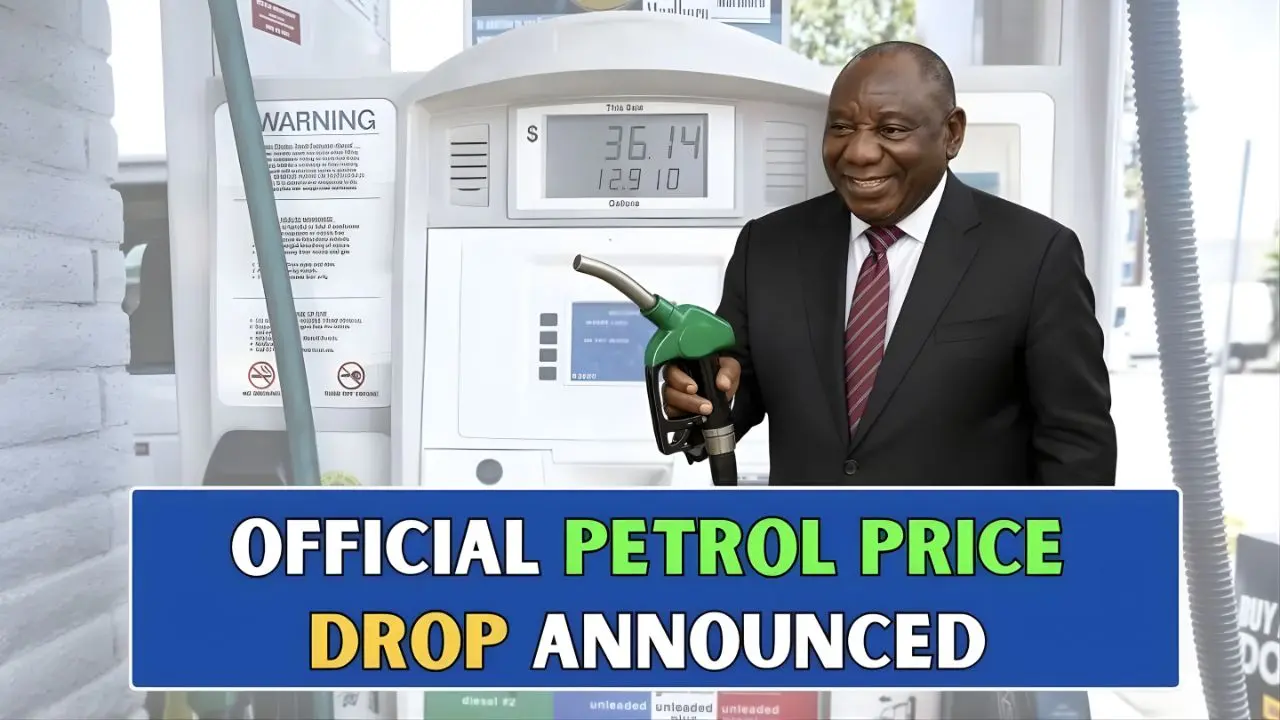
This year, South African drivers are pleased to pay less at the pump, for a renewed down-pricing mechanism affecting petroleum prices. By the beginning of last year, a substantial number—the citizens alongside the consumers of nyala, the more prevalent magnates, the exceptions in income, and those who watched a distinct, less-than-perfect, effortful capitalist model—succumbed to a wave of profiteering. On the day that such profit collapsed its foot less than bought-and-liquidated oil dollars, wages seemed to have me (the consumer, and I declare again and insistent it has received vulgar).
The petrol price drop occurs out of a raft of charges, some of them just an act no more for the love of chasing up and profiteering.
Under the latest official range of adjustments, average motor gasoline prices at pumps are expected to fall 62 to 66 cents 〘per liter〙, depending on the grade. “93” grade 〖(e.g., ULP & LRP)〗gasoline is projected to go down by around 62 cents per liter, compared with “95” grade 〖(e.g., ULP & LRP)〗 around 66 cents less at the possible retail price. The scope of the reduction in prices can be attributed to lower average international petroleum product prices and appreciating exchange rates that were set up to cover on transporting refined fuel from South to Africa. The direction for other fuel products would have pointed; therefore, diesel prices were reduced large scale, contributing toward broadening service-station relief.
Rationale of a Fall in Prices
A straight out of the hip announcement came forth that between the latter part of 2025 and the beginning of 2026, there had been a slump in crude oil prices globally with a surge of the rand against the US dollar. Because crude oil is traded internationally with dollars, a stronger rand cuts fuel importation costs through a direct market impact. Having an excess supply to let petroleum giveaways convert into considerable dollars, other less important economic flashes are propelling the authorities to pass down the savings to consumers.
What to Expect for Journey-Road Motorists
A cut in average petrol prices for motorists and cargo-driven traffic will translate to immediate relief. With these impending reductions in fuel prices, motorists on the job will pay less for fuel, with resultant savings – in all likelihood – to accrue to logistics and other transport services. Economic analysts argue that lower oil prices could bring in a rosy picture for inflation, as forced inflationary pressure would be alleviated across the economy through reduced transport and goods distribution costs.
Foreseeing the Road Ahead
One of the healthy fads-this, in particular-focus is quitting smoking. The citizen gets identical benefits when he stops using nicotine alternatives since the latter can just be an alternative but not an alternative. Overcoming this terrible habit will lead to the contracting of substantial health problems.